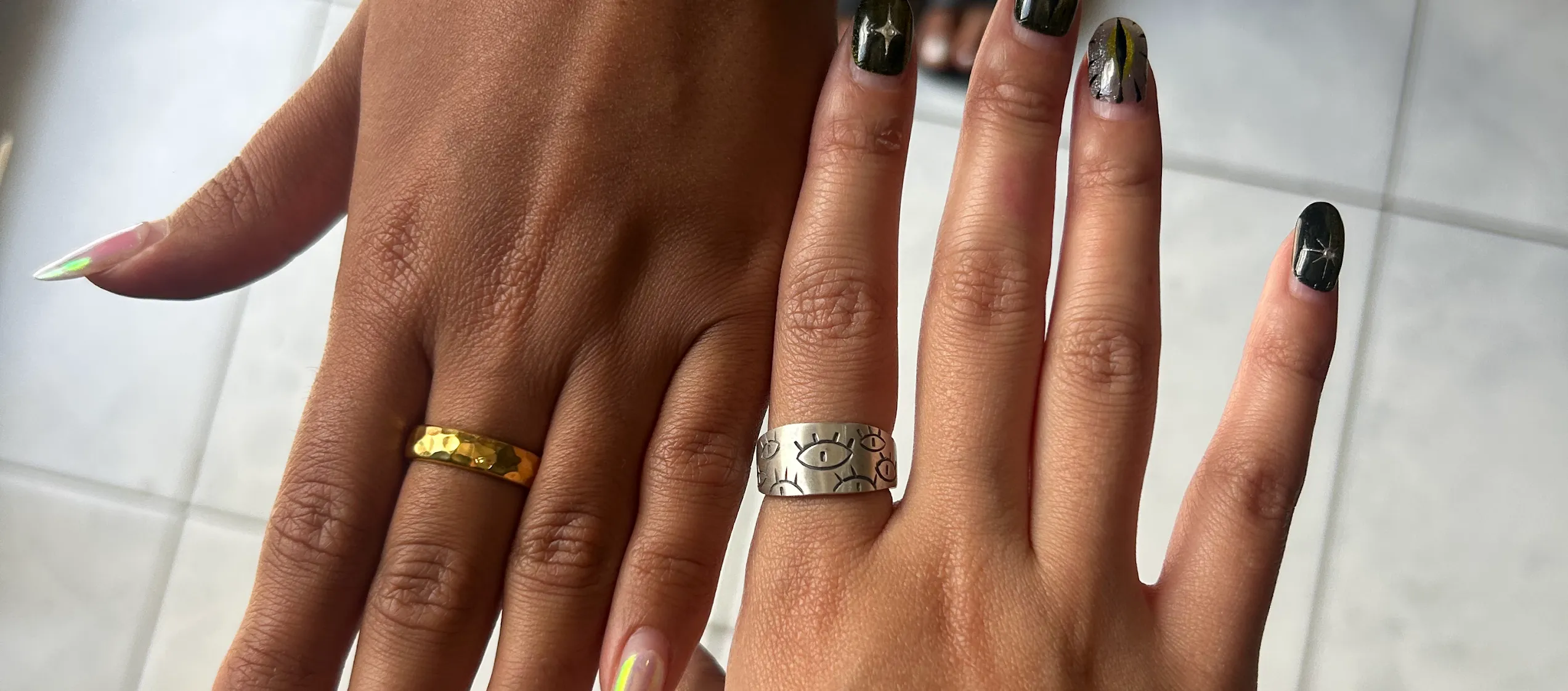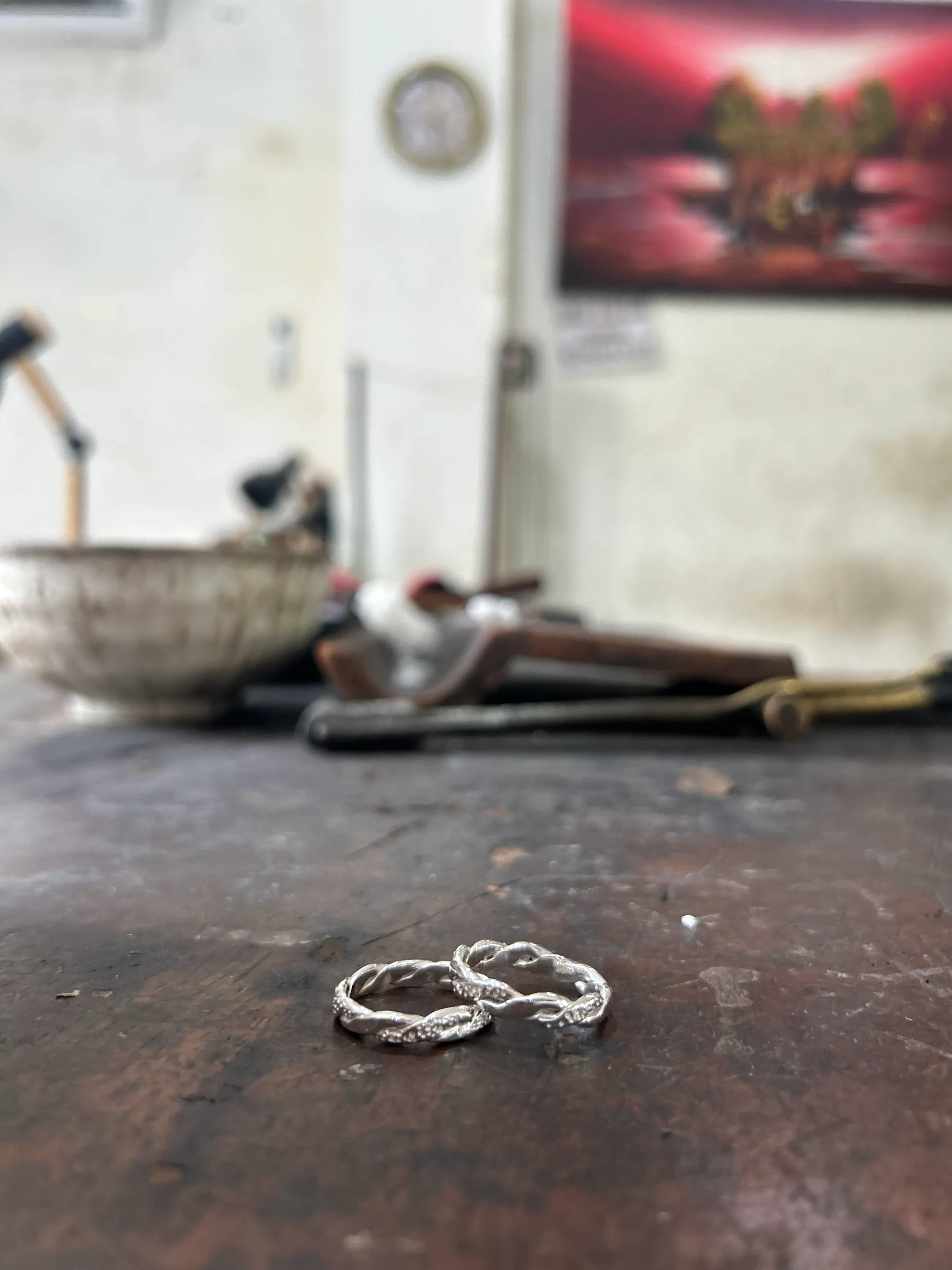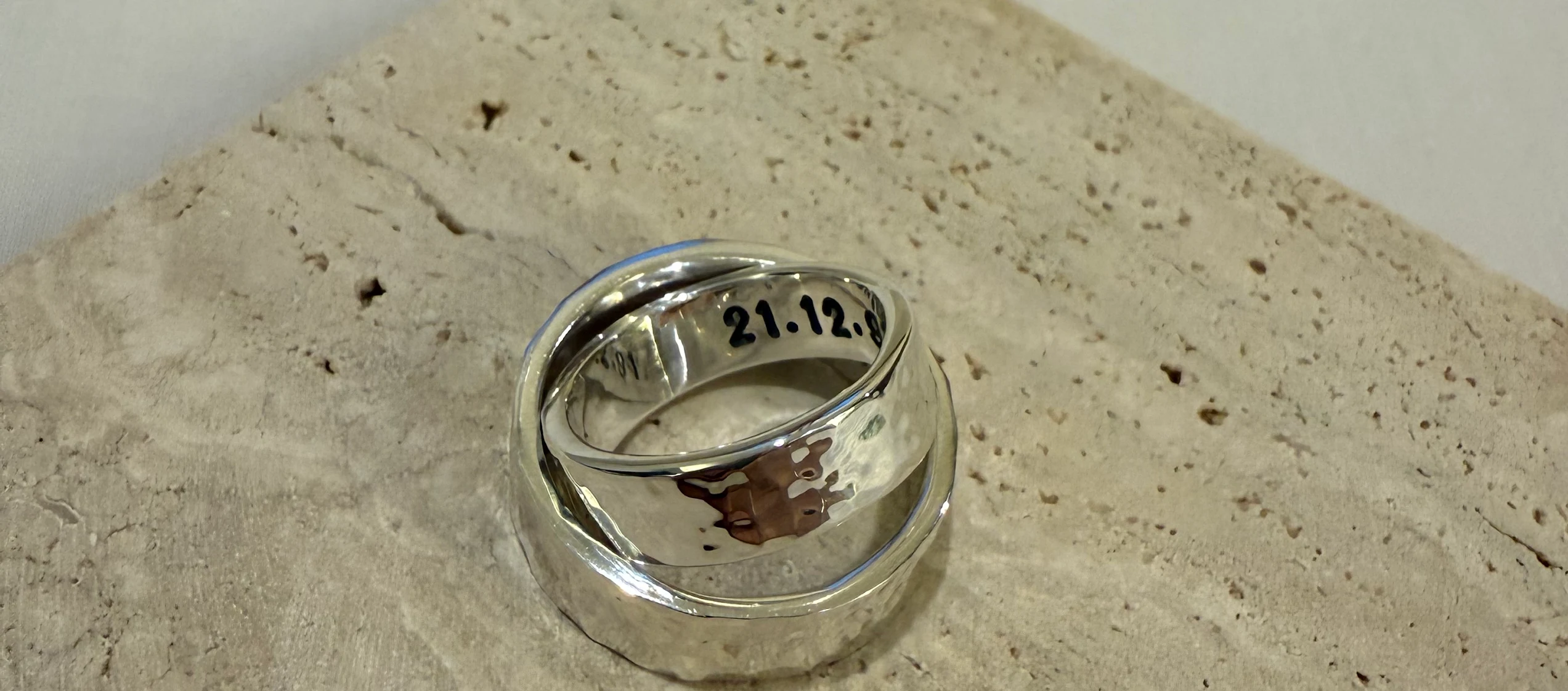
At an Uluwatu clifftop workshop, you can make a ring even if you've never held a jeweler's saw. You book a small-group session, pick a design, and turn a rough piece of silver into a polished ring you wear home. Krisna Silver Class keeps the whole process intimate and patient. It's paced for beginners.
Krisna Silver Class sits near the famous clifftop temple on Uluwatu's southern Bukit Peninsula. It's a family-run workshop, not a big factory tour. Classes stay small, so the instructor can demonstrate each step, watch your hands, and catch a mistake before it sets. Honestly, that kind of attention is the whole point the first time you solder a ring.
Why make a ring in Uluwatu?
Uluwatu is known for its limestone cliffs, surf breaks, and the temple that pulls a crowd at sunset. A silver class gives you something else: a slow, creative hour or two away from the heat and the tour buses.
- You walk out with something you made yourself, not another mass-produced souvenir.
- It's close to the temple and Uluwatu's beaches, so you can fit it into a morning or afternoon plan.
- It's social. Solo travelers often leave knowing the people at their bench. Couples can make rings that match or complement each other.
- You're learning from a family that has worked with silver for years, often in the same community.
A ring is about as personal as jewelry gets. It sits on your hand every day and carries the memory of where it was made. In Uluwatu, that memory includes surf noise in the distance and the smell of worked silver.
What makes a small-group clifftop workshop different
Not all silver classes in Bali work the same way. Some pack in a big group and you wait forever for the instructor. Others rush you through the steps so they can flip the table.
Krisna Silver Class keeps the group small on purpose. You'll feel the difference.
- The instructor can watch your saw technique and fix it before you waste silver.
- You can ask questions without holding up the whole room.
- The pace follows your confidence. If a step takes longer, nobody leaves you behind.
- You get to know the people at your bench, whether you arrived alone or with someone.
That setup helps first-timers a lot. Soldering and filing are tactile skills, and they improve with direct feedback. A quick adjustment from the instructor can turn a wobbly joint into a clean one.
What to expect during the ring-making process
The steps change a bit depending on your design, but most sessions follow a similar flow.
Designing your ring
You'll start by talking with the instructor about what you want to make. Beginners usually keep it simple: a flat band, a hammered texture, a twisted wire ring, or a small stamped pattern. The instructor shows you samples and tells you what's realistic in the time you have.
Don't worry about making something complex on your first try. A simple ring with a textured finish looks better than an ambitious design done badly. The instructor can also suggest small touches, like a polished edge or a stamped initial, to make it feel like yours.
Shaping and texturing the silver
After you choose a design, you measure your finger and cut a strip of silver to length. Then you shape it around a ring mandrel. That's where the texture comes in: hammering, filing edges, or stamping letters and symbols into the metal.
Hammering is the part most people enjoy most. You set the silver on a steel block, line up a stamp or hammer, and strike. The marks are permanent, so the instructor usually has you practice on scrap first.
Soldering and joining
The instructor stays close during torch work, but you're involved too. You watch how the solder flows into the joint, and you may hold the piece or position the solder with guidance. Since classes are small, you won't wait long for this step.
Soldering turns a flat strip into a closed ring. The joint needs to be clean and the solder has to flow evenly. The instructor at Krisna Silver Class explains what's happening, but you don't need to know the chemistry. You just follow the steps.
Polishing and finishing
Once the ring is joined and cooled, you file off any rough spots and polish it. The final look can be a soft shine or a brushed finish, whichever you like. Then you wear it out or wrap it for the trip home.
Polishing takes longer than you'd think. You file away excess solder, smooth the edges, then work through progressively finer abrasives. The instructor tells you when the surface is ready, but you can ask for a brushed texture if you want matte.
A typical session at Krisna Silver Class runs about two to three hours. That covers design, instruction, and finishing. It never feels rushed.
Choosing a workshop format
Krisna Silver Class offers a few formats depending on who's coming along. Groups stay small, but the feel changes.
| Workshop Type | Best For | What You Can Expect | |---|---|---| | Single silver class | Solo travelers or someone who wants full instructor attention | One-on-one or very small group with focused guidance | | Couple silver class | Couples, honeymooners, or two friends | Side-by-side stations; you can make matching rings or individual designs | | Family silver class | Parents with older children or multi-generational groups | A patient pace with projects sized for different skill levels | | Group silver class | Small groups of friends, retreats, or team outings | Shared workspace; everyone leaves with a finished piece |
If you'd prefer a warmer-toned metal or want a cheaper material to practice on, ask about the brass jewelry workshop. Brass works like silver but has a different color and weight.
Silver vs brass: which metal should you choose?
Silver is the default for a ring because it's durable, hypoallergenic for most people, and takes a high shine. It also develops a soft patina over time, which plenty of people like.
Brass is a copper and zinc alloy with a warm golden tone. It's softer than silver and tarnishes faster, but it's an affordable way to practice before committing to silver. Some visitors make a brass practice ring first and then a silver ring in the same session, if time allows and the instructor agrees.
If this is your first time, talk with the instructor about what you're after. They can suggest a metal and design that fits your skill level.
Tips for your silver class
These small steps help the session go smoothly and leave you with a ring you'll actually wear.
- Wear closed-toe shoes. You'll be around tools, metal filings, and a torch at a safe distance.
- Tie back long hair and skip loose sleeves or dangling accessories.
- Bring your glasses if you need them for close-up work.
- Come with a rough idea, but stay flexible. The instructor can tell you what will hold up well.
- Don't rush. Polishing is where beginners try to speed up, and it shows in the finish.
- Take photos. The instructor can usually pause for a quick shot of your hands at work.
- Know your ring size in advance if you can. The instructor can measure you, but a number helps.
- Don't wear rings on your working hand. They can scratch the silver or catch on tools.
Frequently asked questions
Do I need jewelry-making experience?
No. The class at Krisna Silver Class is built for beginners. The instructor demonstrates each step, and you work at your own pace. Most people finish a simple ring on their first visit.
How long does it take to make a ring?
A session usually takes about two to three hours, depending on the design. That includes measuring, shaping, soldering, filing, and polishing. The pace stays relaxed, so you won't be watching the clock.
What materials can I work with?
You can work with silver or brass. Silver is the most popular ring material because it's durable and takes a high polish. Brass has a warm golden tone and often serves as practice material or a different look.
Can couples or groups book together?
Yes. The workshop offers a couple silver class and a group silver class. Couples can sit side by side and make rings for each other, while small groups can book a shared session. Instruction stays personal because groups stay small.
What should I wear to the workshop?
Wear comfortable clothes you don't mind getting a little dusty. Closed-toe shoes are safer around tools and metal filings. Tie back long hair and avoid loose sleeves or scarves that could catch on equipment.
How far is the workshop from Uluwatu Temple?
The workshop is close to the famous clifftop temple in Uluwatu, on the Bukit Peninsula. It's a short drive from the temple entrance and the main parking area. Many visitors pair a morning silver class with a late-afternoon temple visit.
Conclusion
You don't just leave an Uluwatu ring workshop with a souvenir. You get a few hours of slow, focused craft, a ring sized to your finger, and a story to tell when someone asks about it. The small-group, family-run setting at Krisna Silver Class keeps it personal, even if you've never worked with metal before.
Ready to make your own ring? Book a silver class at Krisna Silver Class and reserve your seat at the workbench.