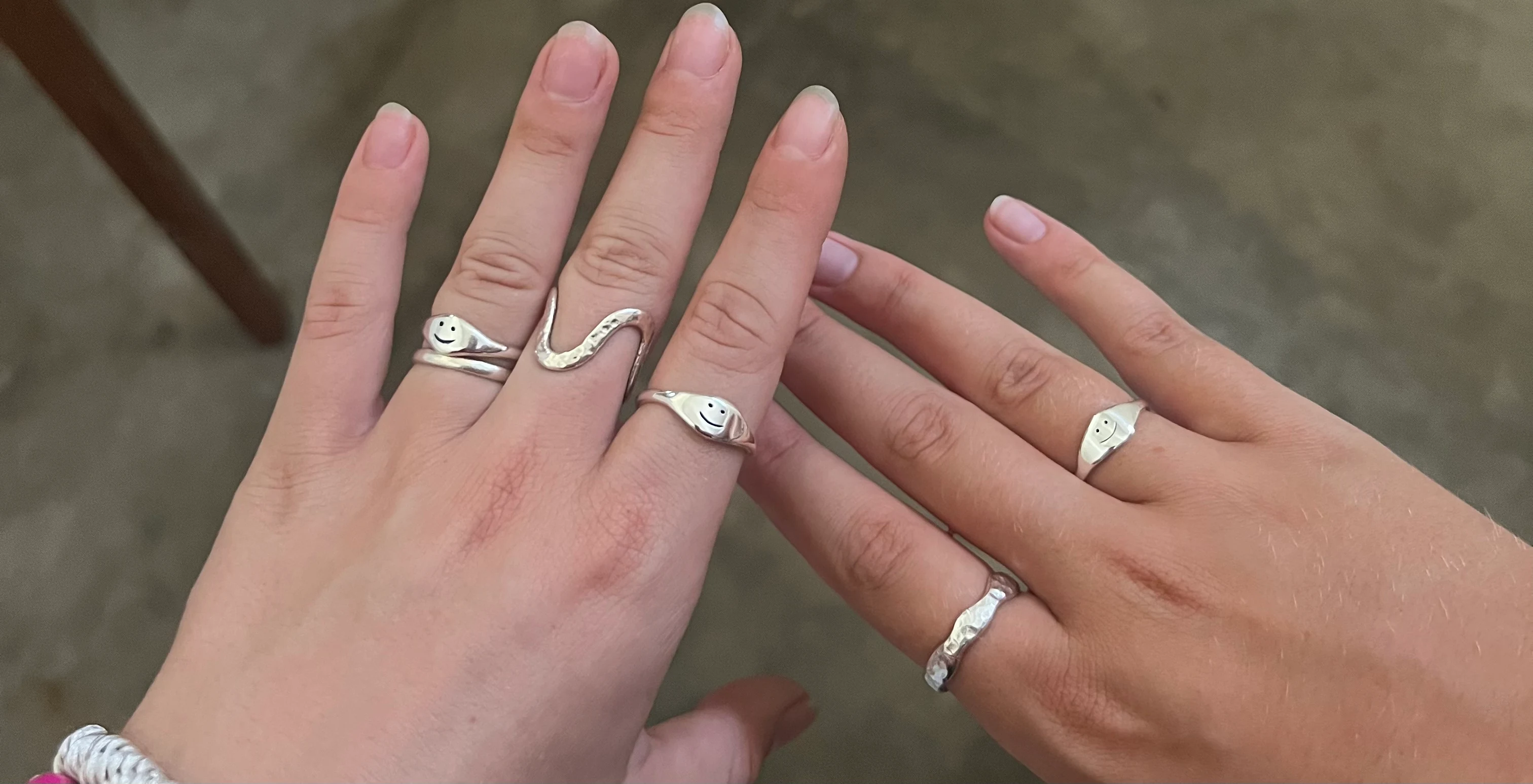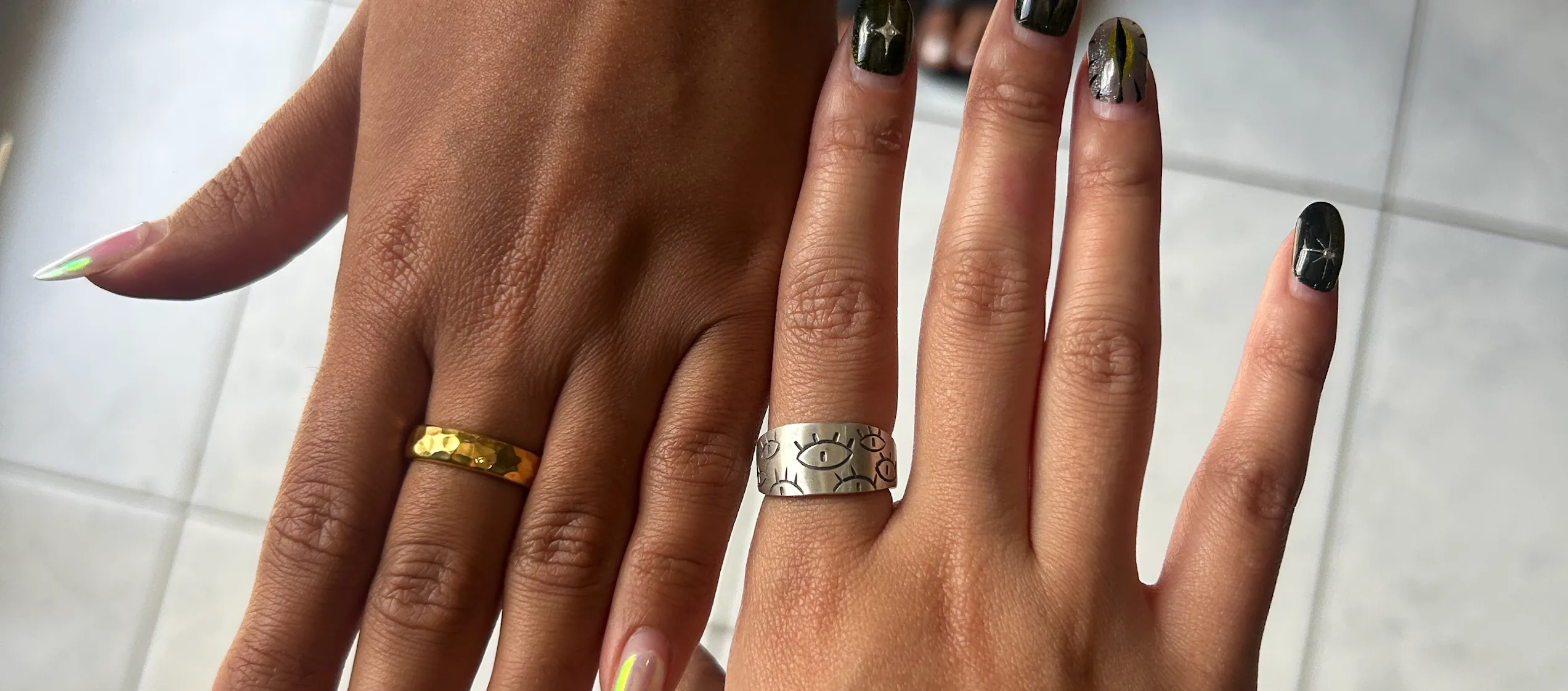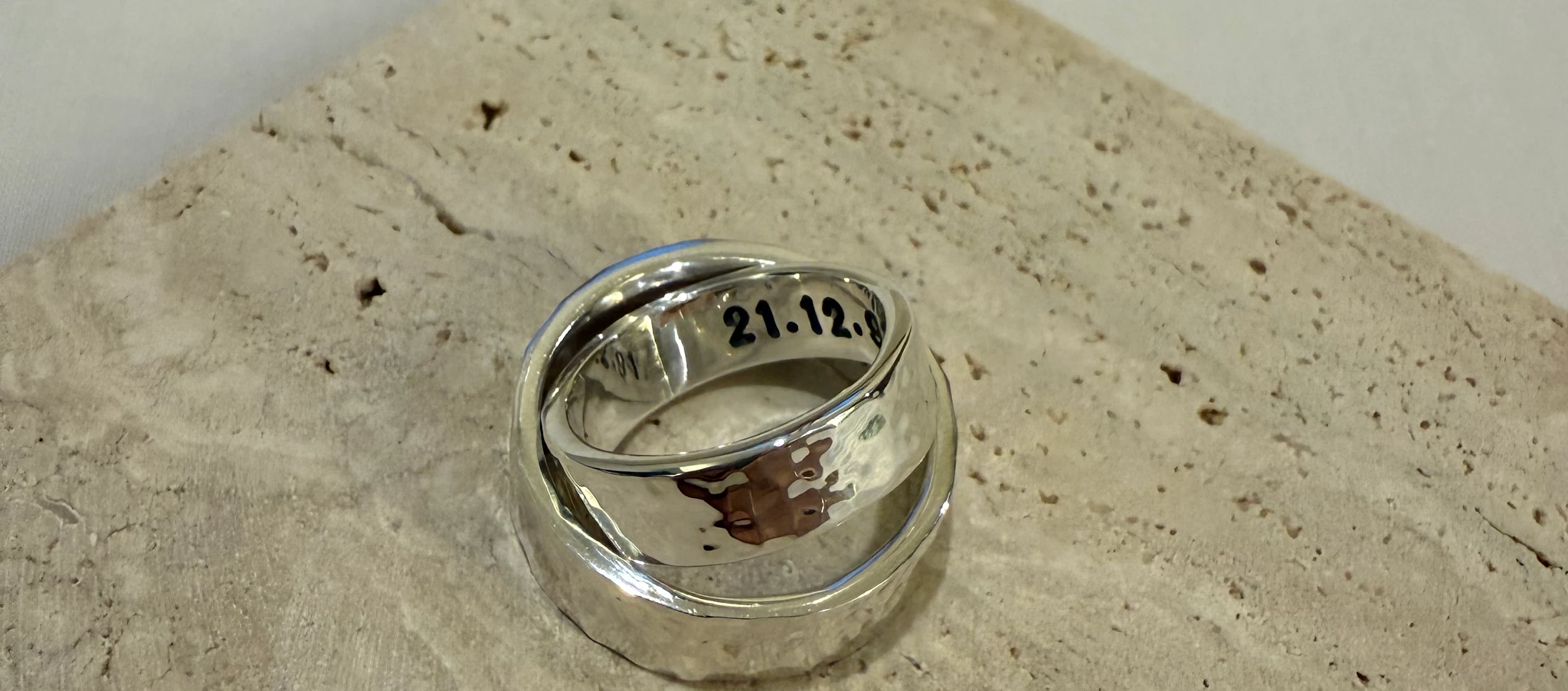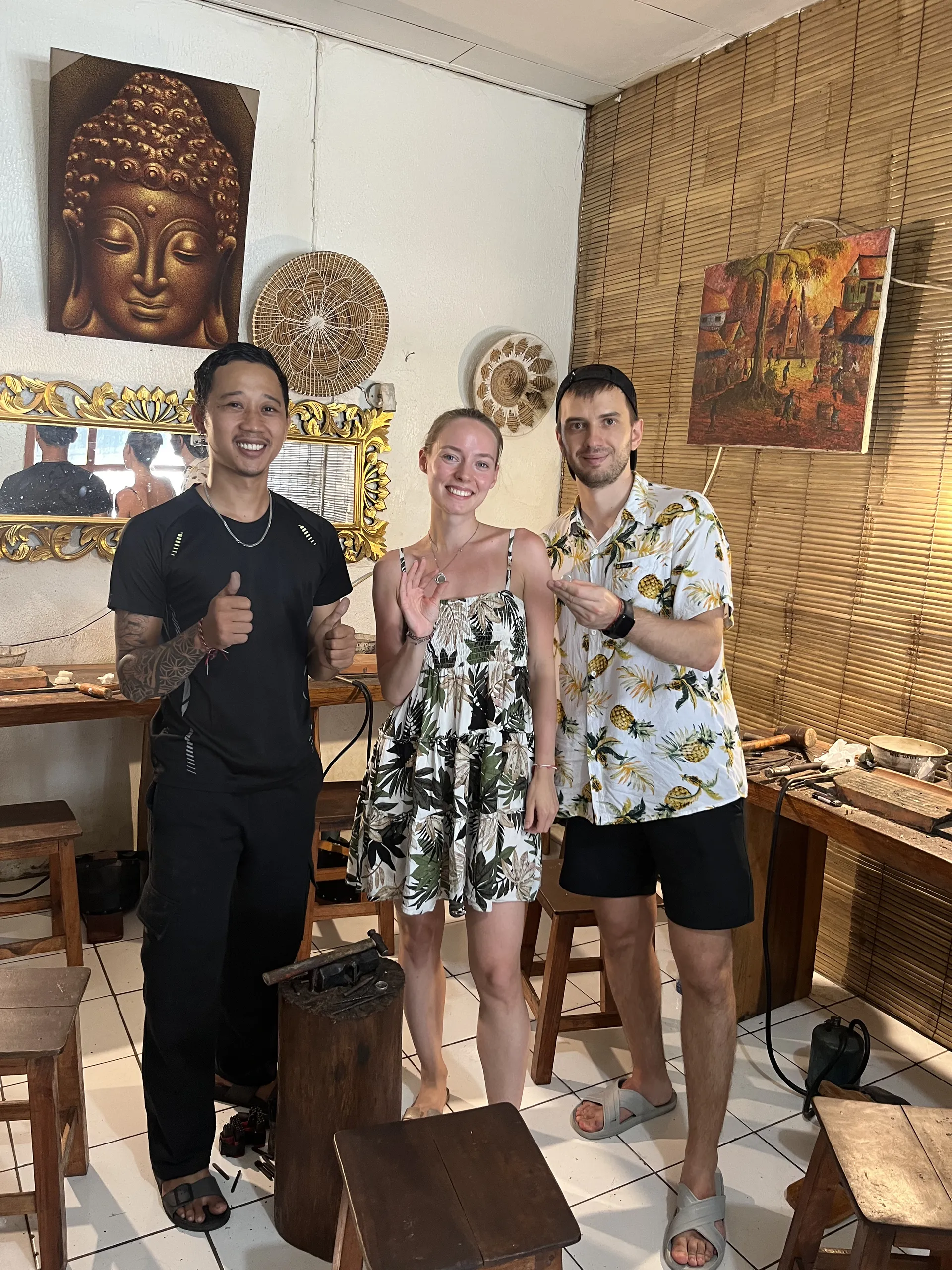
When you sit down at a bench in Krisna Silver Class Uluwatu, holding a torch and a piece of silver, you are not just participating in a tourist activity. You are stepping into a stream of history that flows back hundreds of years. You are engaging with a craft that helped define the artistic identity of Bali.
To truly appreciate the ring or pendant you make, it helps to understand the lineage of the skill. How did a small island in Indonesia become world-renowned for its silver?
The Pande Mas: The Clan of Smiths
In traditional Balinese society, which follows a caste system, metalworkers belong to the Pande clan. Pande means "smith" (like "Smith" in English). Specifically, those who worked with gold and silver were known as Pande Mas or Pande Perak.
The Pande were revered. They were the masters of fire (Brahma). They had the spiritual power to transform raw earth into sacred objects. Creating a kris (dagger) or a ceremonial bowl was not just a technical act; it was a spiritual ritual involving offerings, mantras, and auspicious days.
The Majapahit Connection
The roots of Bali's sophisticated jewelry style can be traced back to the Majapahit Empire of Java (13th–16th century). When the Majapahit Empire fell to Islamic conquest in the 15th century, the Hindu elite—artisans, priests, dancers, and courtiers—fled to Bali.
They brought with them the refined aesthetic of the Javanese courts. This influx of talent supercharged Bali's artistic culture. The silversmiths began creating intricate jewelry for the new Balinese kings (Rajas). They used techniques like:
- Granulation (Jawan): Fusing tiny spheres of silver onto a surface to create texture.
- Filigree (Bun): Twisting fine threads of silver into delicate, lace-like patterns.
- Repoussé: Hammering metal from the reverse side to create a low relief design.
These techniques are still the hallmarks of "Bali Silver" today.
Celuk: The Silver Village
For centuries, the village of Celuk in Gianyar (near Ubud) became the center of this craft. Almost every family in Celuk was involved in the trade. Fathers taught sons; mothers polished and sold. It was a guild-like community where secrets of the trade were guarded and perfected.
For a long time, if you wanted silver, you had to go to Celuk.
The Evolution: From Ritual to Fashion
Originally, silver was used primarily for:
- Ceremonial items: Offering bowls (bokor), incense burners, and prayer accessories.
- Adornment for Royalty: Elaborate headdresses, armbands, and kris handles.
In the 1930s, with the arrival of Western artists and the beginning of tourism, the demand shifted. Visitors wanted wearable jewelry. The smiths adapted. They began applying their ancient techniques to modern forms—earrings, rings, and bracelets. This fusion of Western taste and Balinese technique created the "Boho-chic" style that became globally famous in the 70s and 80s.
The Shift to Uluwatu
So, why is there a silver class in Uluwatu?
As tourism expanded to the south of Bali (the Bukit Peninsula), the culture followed. Uluwatu evolved from a surf outpost to a lifestyle destination. Travelers here wanted more than just waves; they wanted connection.
Workshops like Krisna Silver Class represent the democratization of the craft. We are not a closed guild; we are an open school. We bring the expertise of the Pande traditions (often employing smiths from Celuk or those trained in that lineage) and make it accessible to you.
Modern Silversmithing
Today, the silver scene in Bali is vibrant. It mixes the traditional (granulation, heavy oxidation) with the contemporary (minimalist, high-polish, geometric).
When you take a class with us, you usually learn the fabrication method. This involves sawing, soldering, and forming sheet and wire. It is the foundational skill of the smith. While you might not master the complex filigree of the Majapahit courts in a 3-hour beginner class, you are using the same fire, the same metal, and the same fundamental principles that the royal smiths used 500 years ago.
Conclusion
Silver is durable. It lasts for generations. The ring you make in Uluwatu is a future heirloom. It carries the memory of your trip, but it also carries the echo of the Majapahit artisans and the Celuk villagers.
It is a privilege to keep this fire burning and to share it with the world. We invite you to come and be a part of this living history at Krisna Silver Class Uluwatu.