When people think of Uluwatu, the first images that come to mind are often surfers riding barrel waves or influencers sipping coconuts in infinity pools. While this modern beach culture is part of the charm, Uluwatu (and the wider Bukit Peninsula) is steeped in deep spiritual and cultural significance. To visit Uluwatu without touching its cultural soul is to miss the point of Bali entirely.
For the traveler seeking depth, connection, and understanding, here is a guide to the essential cultural experiences in Uluwatu that will enrich your journey.
1. Pura Luhur Uluwatu: The Guardian of the South
Pura Luhur Uluwatu is one of Bali's Sad Kahyangan—the six directional temples meant to protect the island from evil spirits. Dedicated to Rudra (the deity of the storm and the wind), it perches on a cliff 70 meters above the roaring Indian Ocean.
How to experience it:
- Dress Respectfully: You must wear a sarong and sash (usually available for rent at the entrance).
- Mind the Monkeys: The macaques here are believed to be guardians of the temple, but they are also mischievous.
- Go at Sunset: The silhouette of the tiered meru towers against the burning orange sky is one of the most spiritual visuals in Bali. Walk the cliff path to see the temple from different angles.
2. The Kecak Fire Dance: A Symphony of Voices
Performed daily at sunset in the amphitheater near Uluwatu Temple, the Kecak dance is unique among Balinese dances because it uses no gamelan orchestra. Instead, the rhythm is provided by a choir of 50-100 men chanting "cak-cak-cak" in a trance-like state.
The performance tells the story of the Ramayana—Prince Rama, his wife Sita, and the monkey general Hanuman. As the sun sets and the fire torches are lit, the energy builds to a dramatic climax. It is a powerful display of community, storytelling, and devotion that resonates with viewers long after the final chant.
3. Traditional Silversmithing: The Art of the Pande
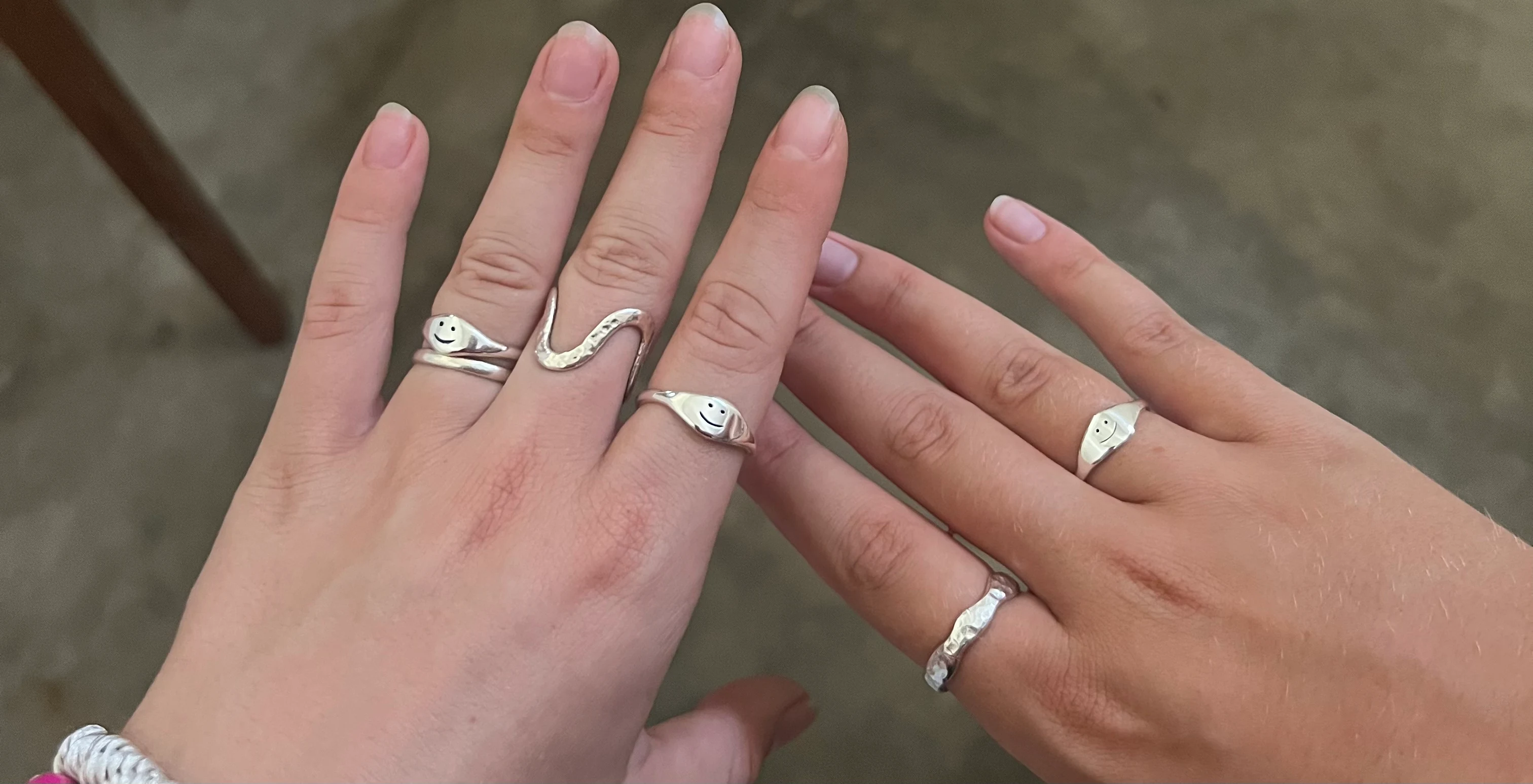
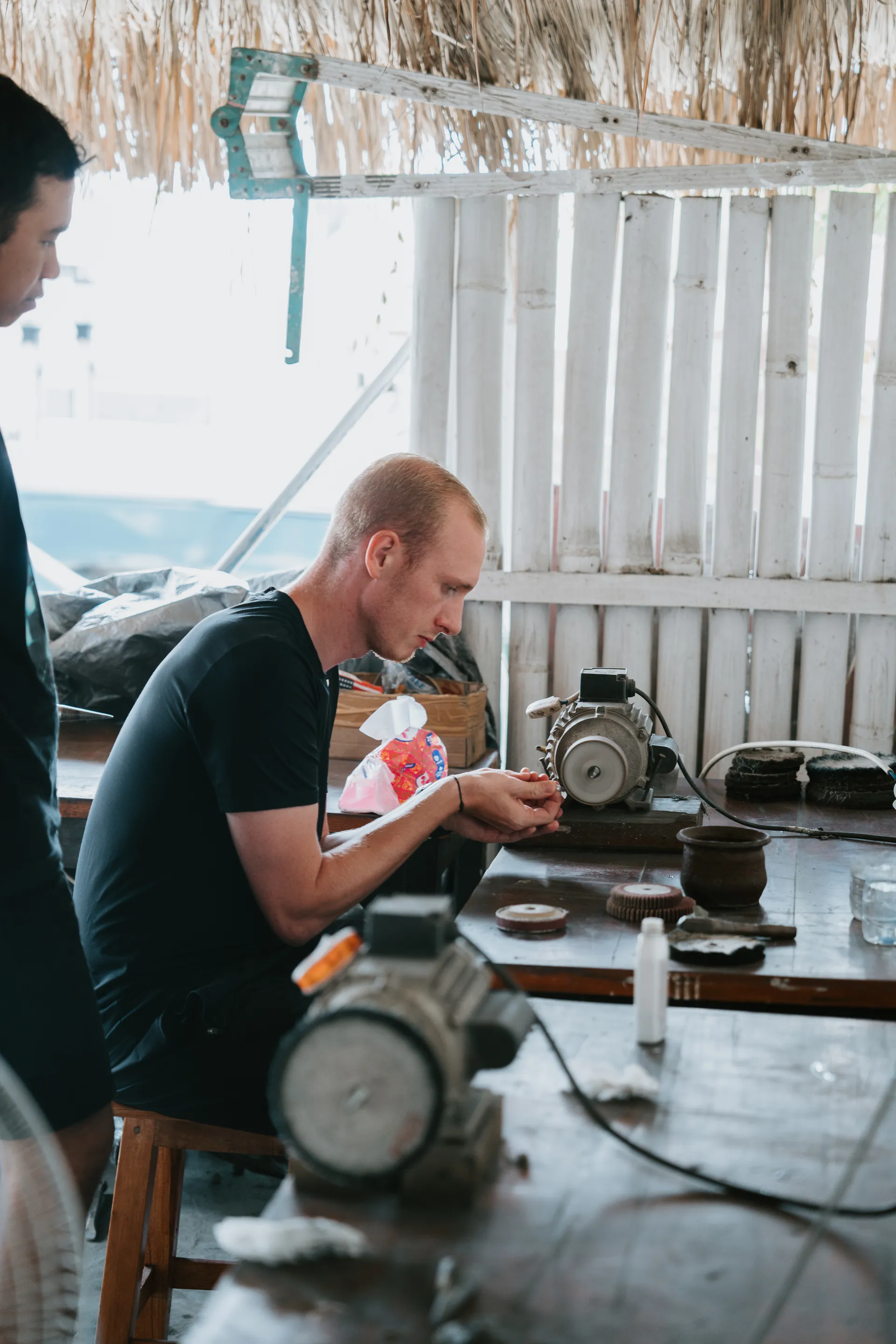
In the Balinese caste system, silversmiths (part of the Pande clan) held a special, respected status. They were the ones who could transform raw elements into sacred objects using fire. While the village of Celuk is the historical center, the spirit of this craftsmanship is alive in Uluwatu at Krisna Silver Class.
Participating in a workshop is a way to honor this tradition. You learn the patience and precision required to work the metal. You learn about the motifs—why certain swirls or dots are used, and what they represent (often nature, harmony, or protection). It transforms a "souvenir" into a "cultural artifact" that you created with your own hands, bridging the gap between ancient technique and modern design.
4. Canang Sari: The Daily Offering
You will see them everywhere on the streets of Uluwatu: small palm-leaf baskets filled with colorful flowers, rice, and incense. These are Canang Sari, a daily offering of gratitude to the gods.
How to experience it:
Don't just step over them. Stop and observe a local putting them out in the morning. Notice the grace in their movements and the prayer they whisper. Some hotels or cultural centers offer workshops on how to weave the baskets. Learning the symbolism of the colors (Red for Brahma, Black for Vishnu, White for Iswara) gives you a profound appreciation for the daily devotion of the Balinese people.
5. Nyepi: The Day of Silence
If you are lucky enough to be in Uluwatu during Nyepi (usually in March), you are in for a profound experience. It is the Balinese New Year, a day of absolute silence. No fires are lit, no work is done, no one travels, and the airport closes.
The night before (Pengerupukan), giant Ogoh-Ogoh monsters are paraded through the streets to be burned or destroyed, symbolizing the purification of the environment. In Uluwatu, the local banjars (village councils) create spectacular Ogoh-Ogohs. Being part of the noisy parade and then waking up to a day of pure silence, where the only sound is the ocean and the birds, is a spiritual reset like no other.
6. Culinary Culture at a Local Warung
Culture is also tasted. Skip the smoothie bowl for a lunch and head to a local Warung. Try Nasi Campur (mixed rice), Babi Guling (suckling pig - a celebratory dish), or Tipat Cantok (rice cakes with peanut sauce).
In Uluwatu, seek out places like Warung Bejana or smaller roadside stalls. Eating spicy sambal with your hands (right hand only!) alongside locals is a quick way to earn respect and experience the true flavor of the island.
7. Melukat: A Purification Ritual
While the most famous water temples are in central Bali, you can find purification rituals (Melukat) in the south too. It involves immersing yourself in holy water to cleanse the spirit and body of negative energy. Ask a local guide to take you to a sacred spring or a beach temple where these rituals are performed. It is a vulnerable, cooling, and deeply moving experience that connects you to the element of water, which is central to Balinese Hinduism (Agama Tirtha - the religion of holy water).
Conclusion
Uluwatu is a place of duality. It is where the ancient cliffs meet the modern surfer. It is where the silence of the temple meets the roar of the ocean. By engaging with these cultural experiences—whether it's watching the Kecak dance, tasting the spice of sambal, or hammering silver at Krisna Silver Class—you move from being a tourist to being a guest.
You begin to understand that the beauty of Bali isn't just in the landscape, but in the philosophy of Tri Hita Karana—harmony with God, harmony with people, and harmony with nature. Enjoy your journey into the heart of Uluwatu.